 English
  Português do Brasil
  Español
  简体中文
简体中文 
Corn processing is a set of operations that transform corn into various food products. The processing sequence typically includes receiving and cleaning the corn, degerminating, milling, making grits, grading the grits, and processing corn by-products.
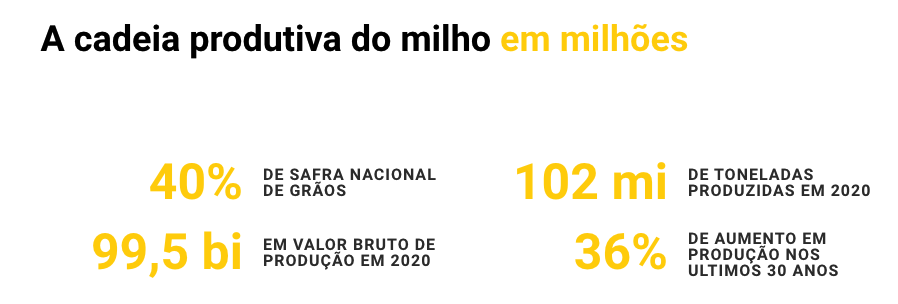
The Corn Chain must be valued and disseminated, considering the importance and national relevance of Cereal.
Below we will comment in general terms on the main processes and equipment used in the processing and industrialization of corn:
- Reception and Cleaning of Corn: The first stage of processing consists of receiving and cleaning the corn. During this phase, the grains are cleaned to remove impurities and foreign matter that could affect the final quality of the product.
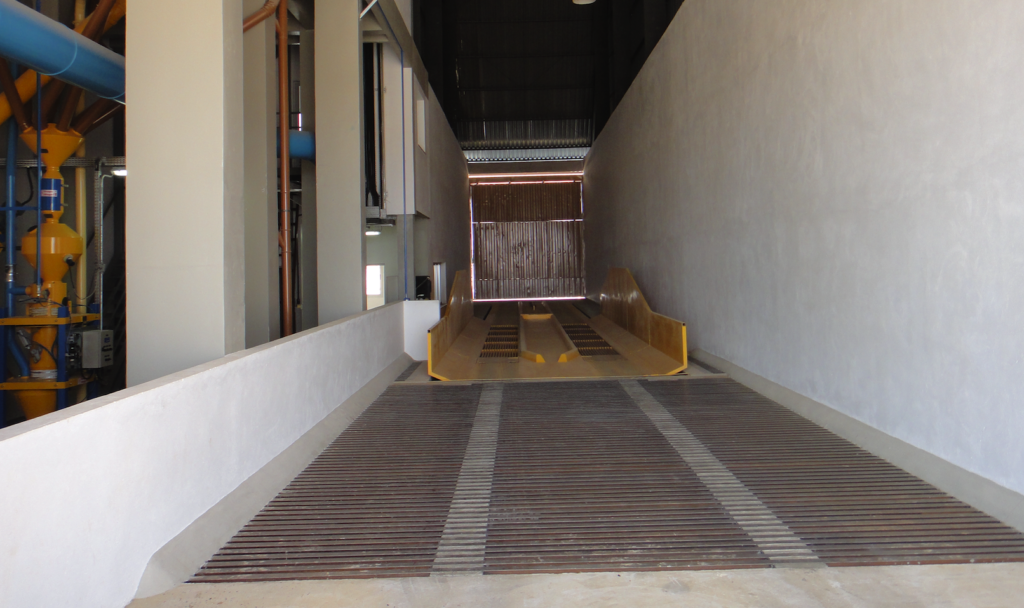
- Corn Classification:Grading is a crucial step in corn processing. Corn is graded based on its size, weight, and quality to ensure uniformity of the final product. Grading equipment removes impurities, broken kernels, and kernels of different sizes. Idugel offers grading equipment such as rotary screens and vibrating screens that are essential for this step. These equipment ensure accurate and efficient grading of corn kernels, contributing to the quality of the final product.
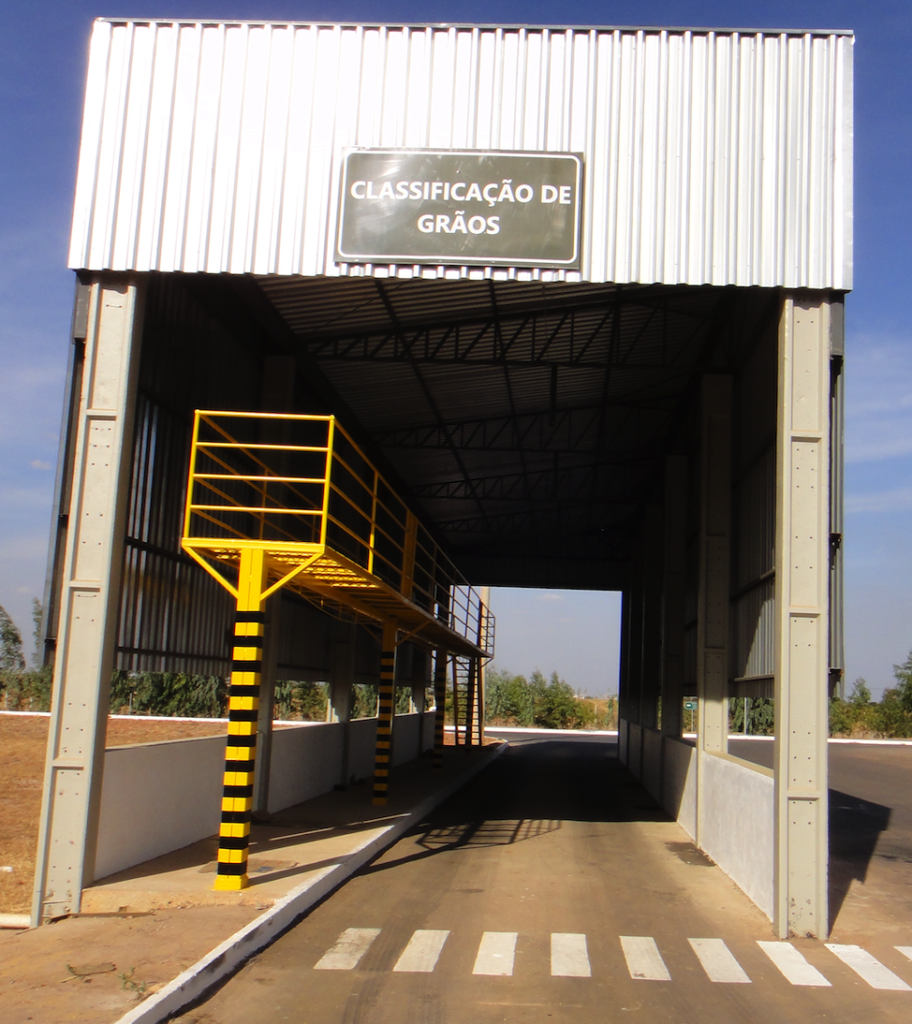
- Corn Storage: Once sorted, corn needs to be stored properly to maintain its quality and freshness. Proper storage is crucial to prevent corn contamination and to ensure that it is in optimal condition for subsequent processing. Idugel offers a range of grain storage solutions, including storage silos. These silos are designed to keep corn in optimal condition, protecting it from adverse weather conditions and pests. In addition, Idugel also offers grain transportation systems, such as bucket elevators and screw conveyors, which facilitate the safe and efficient movement of corn from the storage location to the processing location.

- Degermination: Degermination is the process of removing the germ from corn. The germ is the part of the kernel that, if allowed to germinate, would give rise to a new corn plant. Removing the germ is important because, although nutritious, the germ contains oils that can go rancid and compromise the quality of corn products during storage.
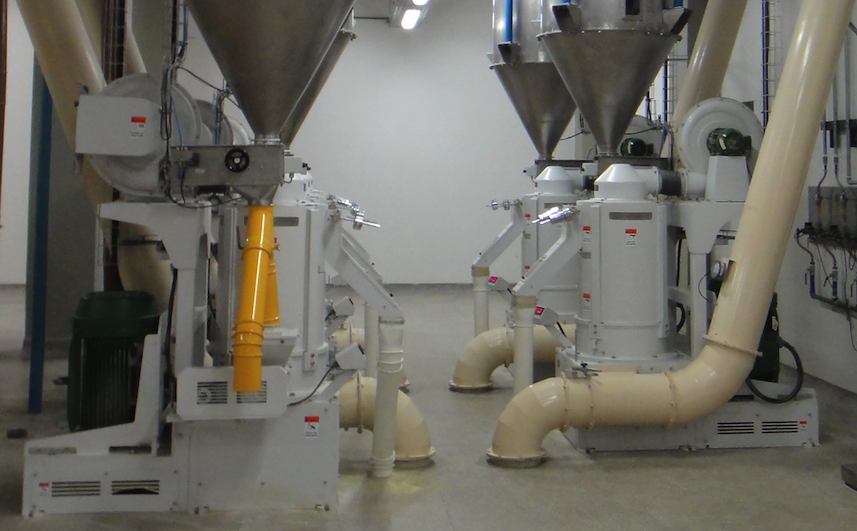
- Grinding and Grit Making: Milling is the process of breaking corn kernels into smaller pieces, known as grits. Grits are used in the production of a variety of food products, including breakfast cereals, snacks, and beverages.
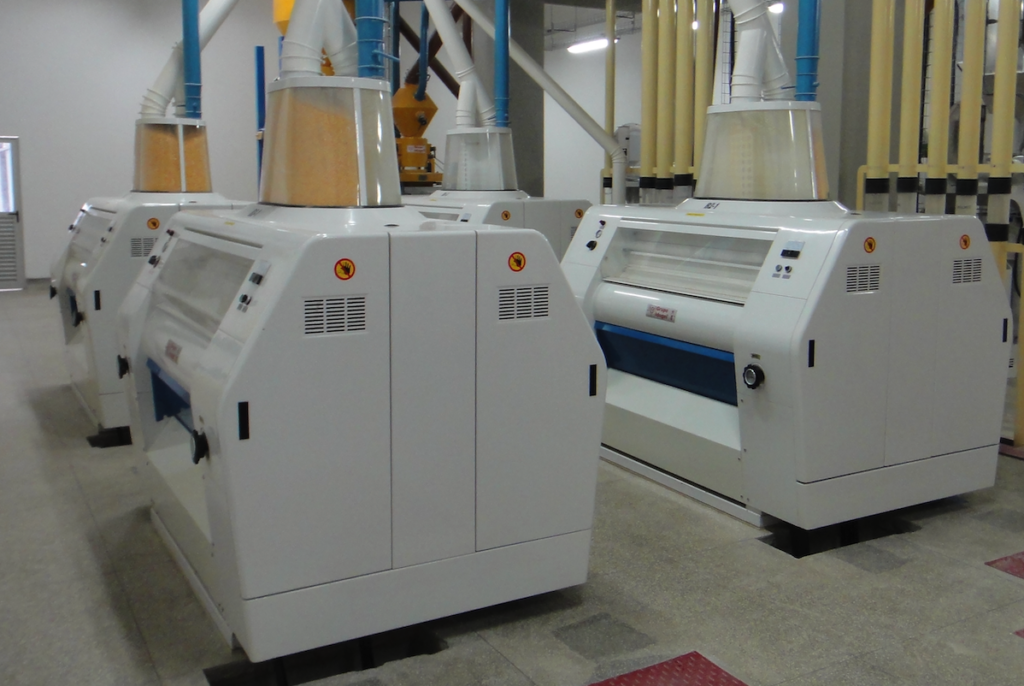
- Grits Classification: After grinding, the grits are sorted by size and shape. Sorting allows the grits to be used to produce different types of food products.
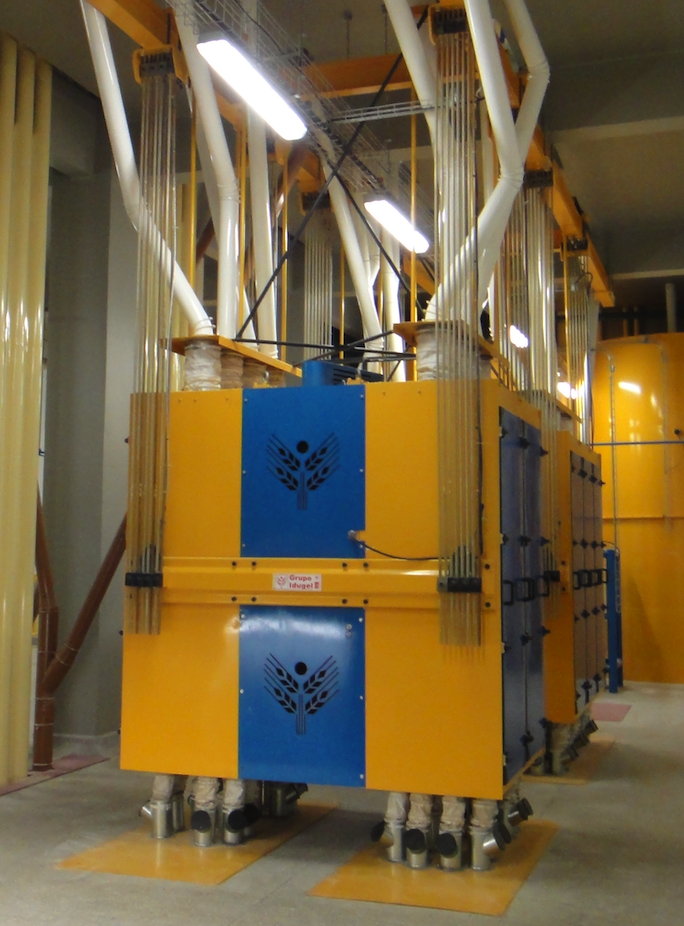
- Corn by-products and their processes: Corn processing also produces several byproducts, such as corn bran, corn oil, and corn protein. These byproducts are used in various industries, including food, feed, and biofuels.

WHAT ARE CORN BY-PRODUCTS?
Corn is an extremely versatile raw material and several by-products can be generated from it. Here are some of the most important:
- Corn Gluten – Corn Protein: Corn does not naturally contain gluten, a protein found in wheat, barley, and rye. Therefore, corn and corn products, such as cornmeal, polenta, corn tortillas, and popcorn, are considered safe for people with celiac disease or gluten sensitivity. However, the term “corn gluten” can be confusing. Corn gluten is a byproduct of corn milling that is primarily used in animal feed. Despite its name, it does not contain the same gluten protein found in wheat, barley, and rye that causes problems for people with celiac disease or gluten sensitivity. Corn gluten is a concentrated protein derived from corn. It is commonly used in the animal feed industry because of its high protein content. In the human food industry, it is used as a thickening agent in sauces and soups and is also used in the manufacture of gluten-free foods.
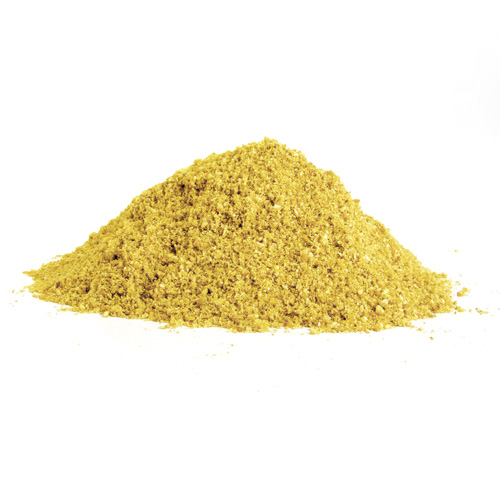
- Maize starch: Cornstarch is one of the best-known byproducts of corn. It is extracted from the endosperm of the corn kernel and is used in many industrial sectors, including the food industry (as a thickener in soups and sauces), the textile industry (in finishing fabrics) and the paper industry (as an adhesive in the production of cardboard).
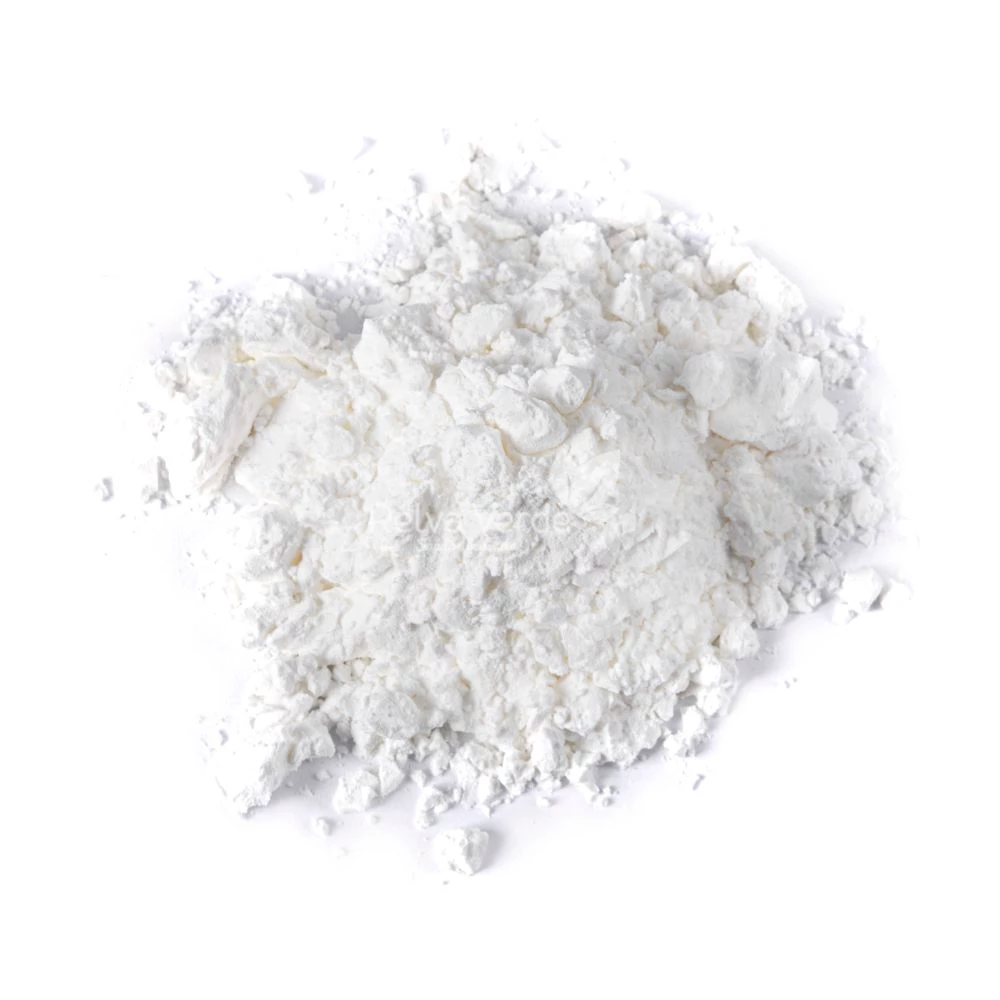
- Corn oil: Corn oil is extracted from the germ of corn and is an edible oil commonly used for cooking. It is also used in the production of margarine and in the cosmetics industry.
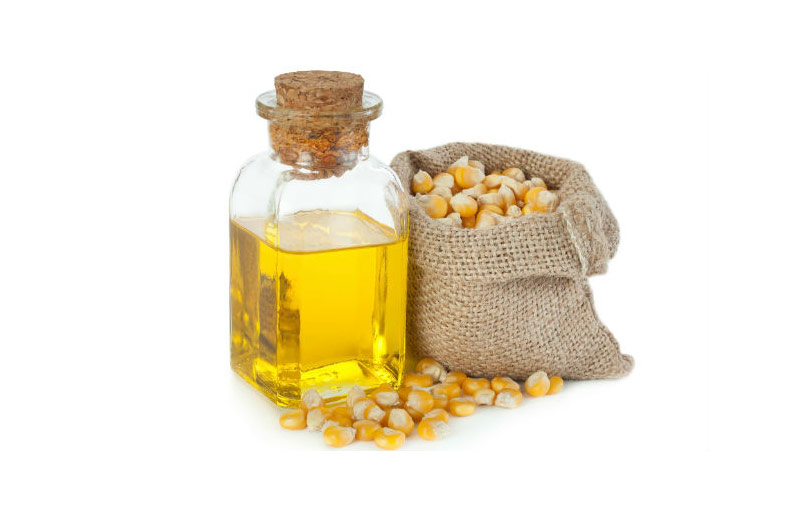
- Corn Fiber: Corn fiber is a byproduct of the corn milling process. It is used in the manufacture of animal feed, and has recently been explored for the production of cellulosic ethanol, a type of biofuel.Corn Bran: Corn bran is a byproduct of corn milling and is primarily used as an ingredient in animal feed.
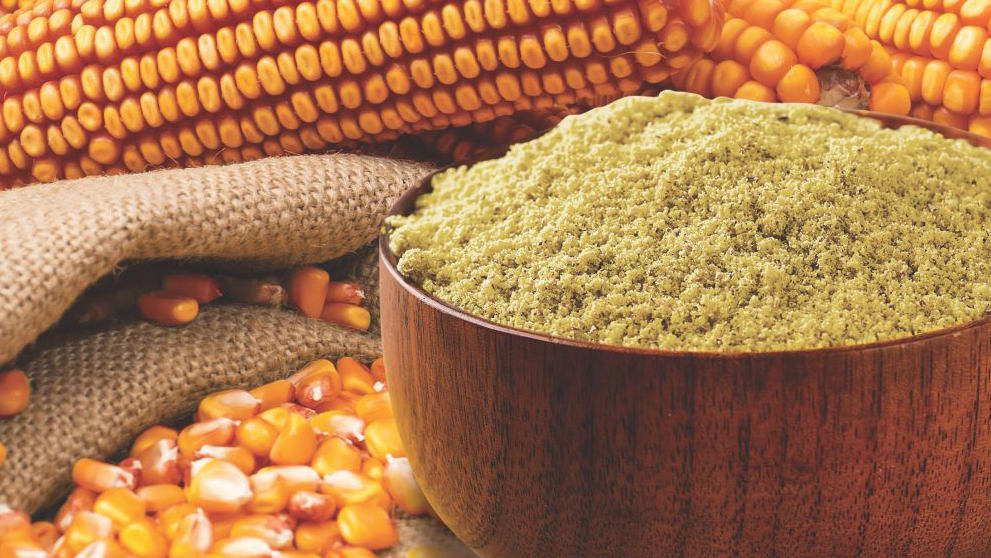
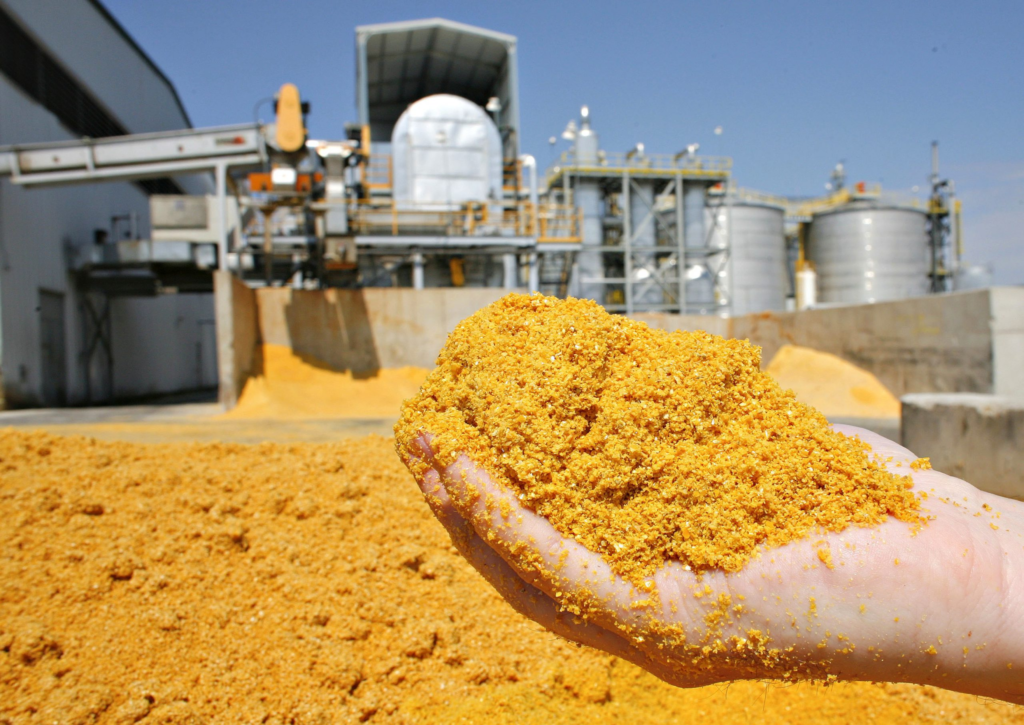
- DDGS (Distillers Dried Grains with Solubles): DDGS is a byproduct of ethanol production from corn. It is a high-quality animal feed rich in energy, protein and minerals.
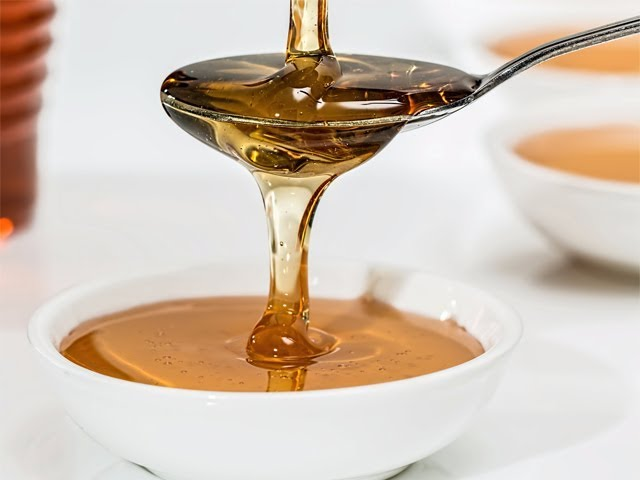
- Corn Syrup: Corn syrup is a liquid sweetener made from cornstarch. High-fructose corn syrup (HFCS) is a common type of corn syrup used in many food and beverage products.
- Corn Germ: Corn germ is the embryo of the corn kernel, and is where most of the corn oil is located. Corn germ is often used in the animal feed industry, but it can also be used to extract corn oil.
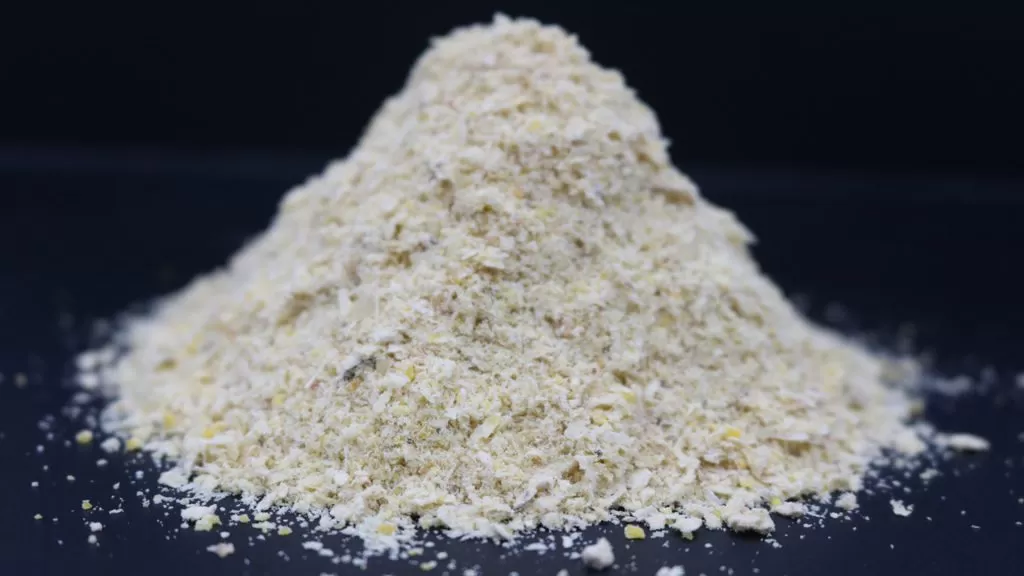
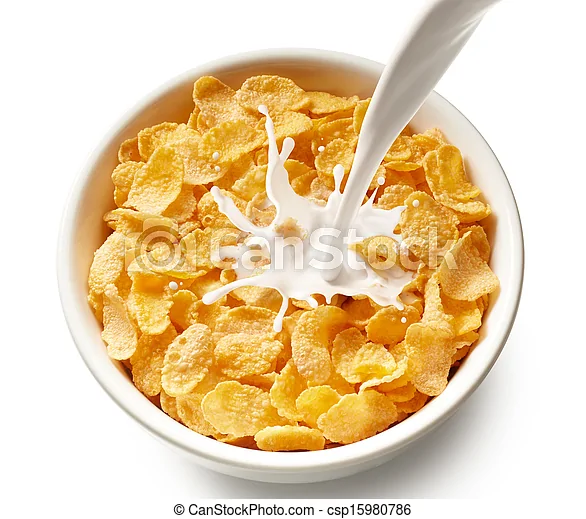
- Corn Flakes: Corn flakes are a product obtained from the rolling or flaking of corn grains. They are often consumed in the preparation of porridge, or even directly with milk, as a breakfast cereal. They are a food rich in fiber and carbohydrates.
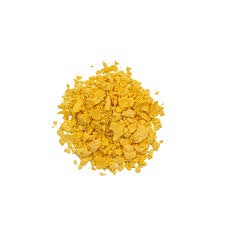
- corn flakes: Corn flakes are very similar to cornflakes, but they undergo an additional roasting process after flaking, which gives them a crispier texture and a more pronounced flavor. They are commonly used in breakfast cereals and cereal bars.
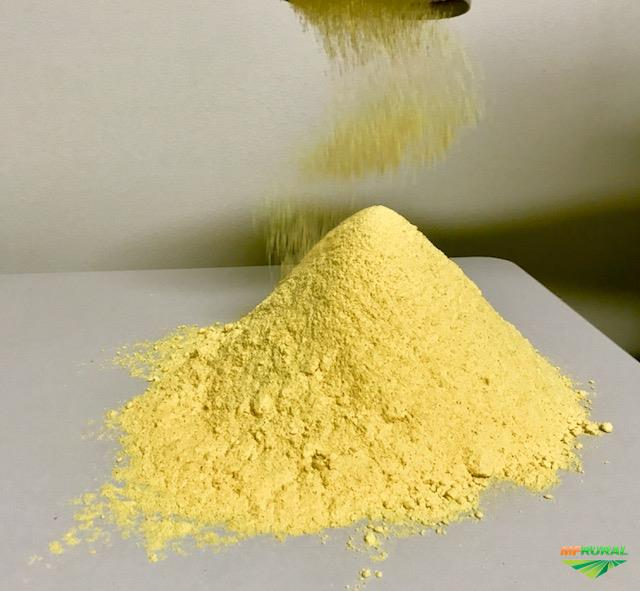
- Cornmeal: Cornmeal is obtained by finely grinding corn kernels. It is widely used in cooking in various regions of the world. In Brazil, it is used in the preparation of dishes such as polenta and cornmeal cake. In addition, cornmeal is also used in the production of bread, cakes and cookies.
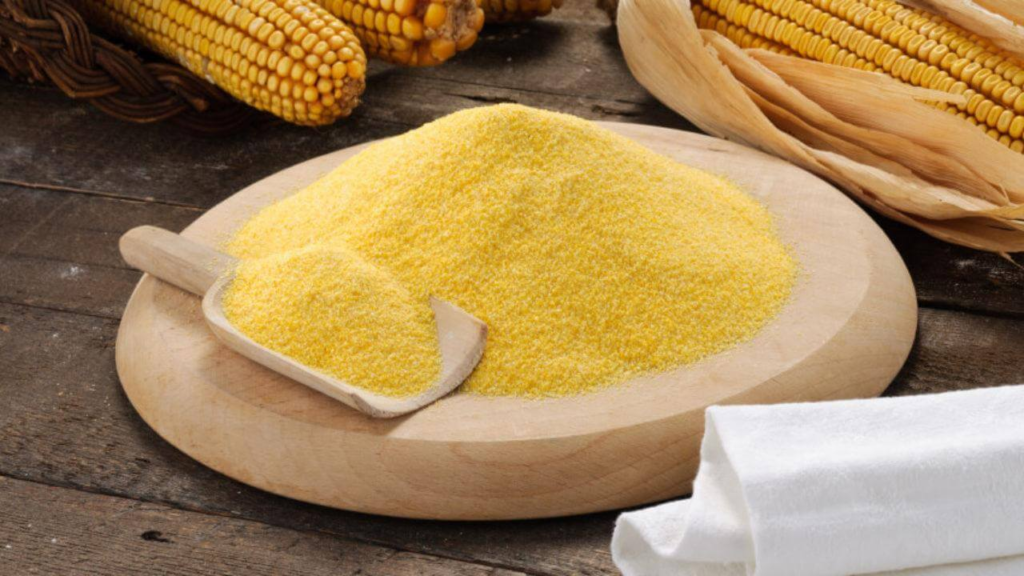
- Cornflour: Corn flour is a little coarser than cornmeal and is made from dried and ground corn kernels. It is used in a variety of recipes, such as cookies, cakes, pies, and also for breading food. It is also the basis for making polenta and cornmeal.
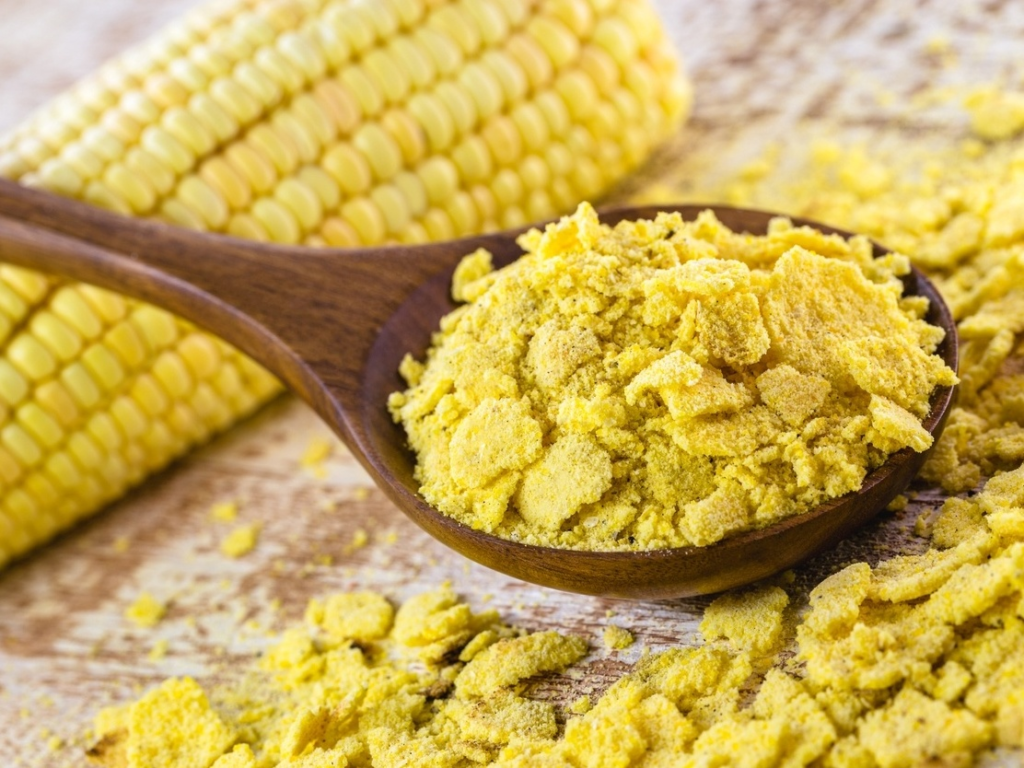
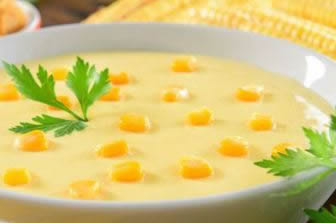
- Corn cream: Corn cream is a product that can be obtained by wet grinding corn, resulting in a creamy paste. It is widely used in cooking to prepare dishes such as soups, purees, pies and the popular corn cream, a frequent accompaniment to meals.
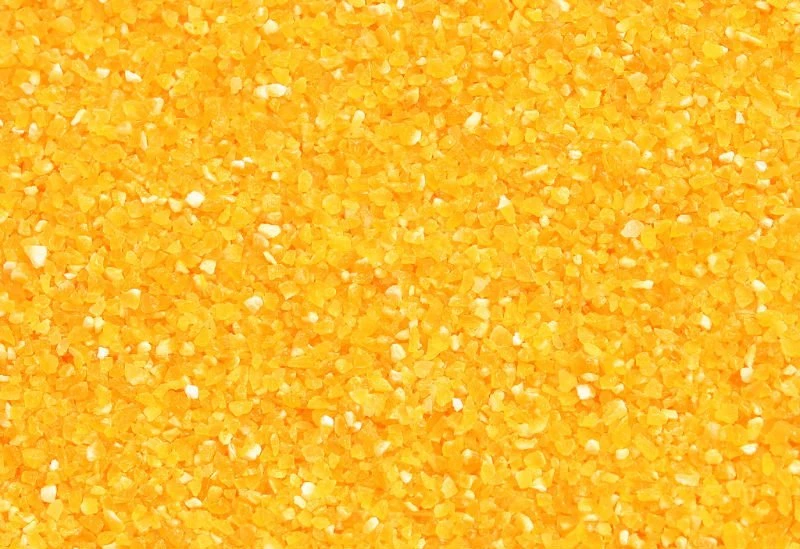
- corn grits: Grits are a product made from coarsely grinding corn kernels. The result is a granulated product that is commonly used in animal feed or in cooking, especially in the cuisine of the southern United States, where it is a traditional dish.
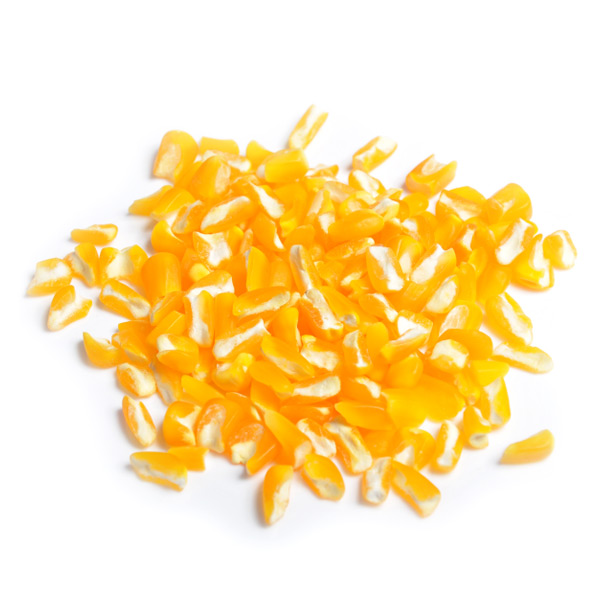
- corn hominy: Corn canjica is a product obtained by breaking corn kernels into larger pieces. It is mainly used in the preparation of the dish of the same name, canjica, which is very popular in Brazil, especially during the June festivals. Corn canjica is also used in the production of animal feed.
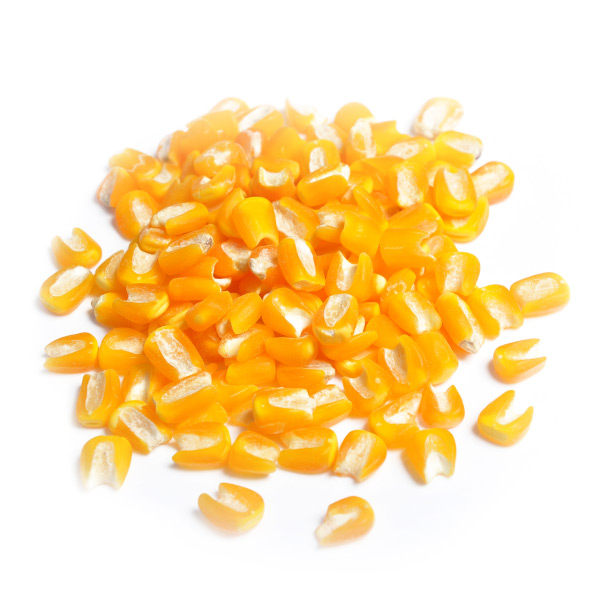
- Cornmeal Canjicão: Cornmeal canjicão is similar to hominy, but the corn kernels are broken into even larger pieces. It is also a product used in the food industry and in the production of animal feed.
Pre-Gel Corn – Gelatinized:
Pregelatinized corn is a versatile food product that has undergone a pre-cooking and drying process, making it a widely used ingredient in many sectors of the food industry. The essence of this process is the gelatinization of the starch contained in the corn kernels (modified starch).
Gelatinization occurs when starch is heated in the presence of water. During heating, the starch molecules absorb water, swell, and the crystalline structure of the starch is destroyed, resulting in a viscous mass or gel. This process is stopped by drying, fixing the starch structure in a state of gelatinization.
The result is a product that is able to absorb water and swell quickly, even at room or low temperatures, making it an ideal choice for foods that require rapid preparation or thickening, such as instant soups, sauces, breakfast cereals, baked goods, and more. In addition, gelatinization does not alter the nutritional value of corn, so pregelatinized corn remains a rich source of carbohydrates, protein, fiber, and a variety of vitamins and minerals.
CORN FLOCKING – CORN ROLLING:
Corn flaking is a process that turns corn kernels into flakes, which are used in a variety of food products.
- Raw material: The raw material for corn flaking is corn that has been cleaned and degerminated.
- What is Corn Flake?: Cornflakes are a food product made from corn kernels that have been cooked, dried, rolled and then toasted.
- Corn Flaking, With or Without Steam?: Corn flaking can be done with or without the addition of steam. Steam can help soften the grain and make the flaking process easier.
- Feeding the Flockers: The flakers are fed with corn grains that have undergone the cooking and drying process.
- Corn flakes: Flakers are machines that roll corn grains, transforming them into flakes.
- Extraction of the Flocsers: After flocking, the flakes are removed from the flockers and left to cool.
- Corn Flake Classification: After extraction, the flakes are sorted according to size and shape. Sorting ensures that each flake is the correct thickness and size to meet the specifications of the different food products in which they will be used.
- Corn Flake Transportation: The corn flakes are then transported to the next processing steps or to packaging. This transportation must be carefully managed to avoid damage to the flakes.
Idugel Group offers a full range of products and services to support every step of corn processing and corn flaking. With a long history in the grain processing industry, Idugel Group can supply everything from individual equipment such as flakers and mills to complete corn processing solutions. In addition, Idugel Group offers technical and engineering consulting services to help companies optimize their production processes and achieve their quality and efficiency goals.
Flocking with or without steam, Main Differences
Corn flaking, also known as rolling, is the process by which corn kernels are pressed between rollers to create flakes. This process can be done in two ways: with or without steam, each with its own advantages and disadvantages.
- Flocking with steam:In this method, corn kernels are first exposed to steam before being rolled. The steam helps to soften the endosperm of the kernel, which makes the rolling process easier and results in more uniform flakes. The use of steam also has the advantage of improving the digestibility of corn, as the heat and moisture from the steam help to break down the complex starch bonds, making it more accessible for digestion. Another benefit of using steam is the improvement in the hygiene and safety of the final product, as the heat from the steam can help to kill potential pathogens present in the grain. However, flaking with steam requires more complex equipment and higher energy consumption compared to flaking without steam.
- Flocking without steam:In this method, corn kernels are rolled directly without a steaming step. This process is simpler and consumes less energy, which can result in cost savings. However, flaking without steam can result in less uniform flakes and potentially lower digestibility compared to flaking with steam. In addition, this method does not offer the hygiene and safety benefits provided by the use of steam.
The choice between steam or non-steam flocking depends on several factors, including the type of end product desired, the resources available, and cost considerations. In Idugel, we offer high quality equipment for both flaking methods, always ensuring the production of the highest quality corn flakes.
WHICH IDUGEL GROUP MACHINES AND EQUIPMENT CAN BE USED FOR THE CORN PROCESS:
The Idugel Group is a national leader in providing complete solutions for corn processing, with a wide range of highly specialized equipment that meets all stages of the process, from the reception and cleaning of corn to the production of high-quality by-products. We are committed to excellence and innovation, always seeking to provide the most efficient and reliable solutions for our customers.
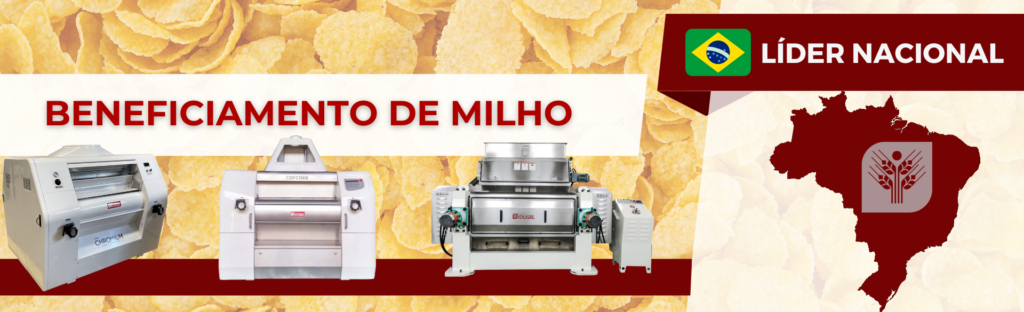
Some of our main corn processing equipment include:
- Grain cleaning machines: Our cleaning machines are designed to remove impurities and foreign materials from corn kernels, ensuring that only high-quality kernels are processed.
- Degermination equipment: We offer degermination solutions that efficiently separate the germ from the rest of the grain, allowing the production of by-products such as corn oil.
- Mills and flocculators: Our mills are capable of producing a variety of corn by-products, including grits and corn flour. Additionally, our high-capacity flakes are ideal for producing high-quality corn flakes.
- Sorting equipment: Our grading machines allow efficient sorting of corn flakes and grits according to size, ensuring a consistent end product.
- Storage systems: We offer robust and reliable storage solutions designed to maintain product quality during storage.
- Packing systems: Our packaging systems are designed to efficiently package end products while maintaining product quality and integrity.
We are proud to have participated in some of the largest corn projects in Brazil, demonstrating our ability to service projects of any scale. Our ongoing commitment to quality, innovation and customer service positions us as a reliable partner for all your corn processing needs.
EQUIPMENT BY PROCESS:
Below we list some equipment used and their processes:
Reception and Cleaning of Corn: The first stage of corn processing is receiving and cleaning. Corn is received, usually in bulk, and undergoes an initial cleaning to remove impurities, dirt and debris. Idugel offers a variety of grain cleaning equipment, such as pre-cleaners and separators, that can be used for this purpose.
Degermination: Degermination is the process of removing the germ (embryo) from the corn kernel. Idugel offers the line of Impact Degerminators, which efficiently separate the germ and the endosperm.
Storing Grits or Corn: Idugel offers grain storage solutions, including silos and transport systems, which can be used for this purpose, with the possibility of separation and dosage according to the type of raw material.
Grinding and Making Grits: Milling is the step where corn kernels are transformed into flour or grits. Grits are a semi-processed product that is used in the manufacture of various foods, such as breakfast cereals, tortillas, and popcorn. Idugel offers hammer mills and roller mills, which can be used for this purpose.
Grits Rating: After grinding, the grits are sorted by size. Idugel offers sorting equipment such as plansifters, vibrating screens and cyclones that can be used for this purpose.
Corn Flocking: Flaking is the process of transforming corn grains into flakes. Idugel offers high-capacity and high-efficiency flocculators that can be used for this purpose.
Flake Extraction: After flaking, the flakes are extracted from the rolling mill or flocculator. Idugel offers grain transport and handling solutions that can be used for this purpose.
Packaging of the Flake:
Packaging flakes, a corn by-product, is an essential step in corn processing to ensure food safety, preserve its quality and facilitate its distribution and sale.
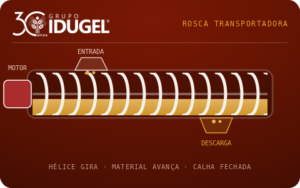
This process begins with the flakes being transported from the flaking equipment to the packaging unit. This is usually done using conveyor systems, which can include Z-lifts and special chain conveyors. At Idugel, drag conveyors or chain conveyors are ideal options for this task, thanks to their ability to handle large volumes of product efficiently and without damage.
Once at the packaging site, the flakes are weighed and divided into suitable portions, ready for packaging. Idugel's automatic bagging machine can be used for this purpose. This equipment has high weighing accuracy and bagging speed, ensuring efficiency and precision in the packaging process.
After bagging, the bags are usually sealed to ensure the product is well protected and to prevent contamination during transport and storage. The Idugel bag sealer is perfectly suited for this task, providing a strong and secure seal.
It is essential to note that the entire packaging process must be carried out under strict hygiene conditions to ensure product safety. In addition, all machinery involved in the process must be regularly cleaned and maintained to ensure that it continues to operate efficiently and safely.
Finally, packaged products are usually stored in a warehouse before being distributed for sale.
The Importance of Dust Aspiration and Management in Corn Processing
Dust collection is a crucial component of a corn processing system. Without effective dust management, production can face a range of challenges, from product loss to health and safety issues.
The dust generated during corn processing is a mixture of corn particles, which can range in size from fractions of a millimeter to whole kernels. Without an efficient vacuum system, these particles can spread throughout the production environment, leading to significant product loss.
Additionally, dust accumulation in work areas can pose serious health and safety risks. Inhaling dust particles can cause respiratory problems and allergies. Additionally, in large quantities, corn dust can be flammable, posing a fire hazard in production environments.
Additionally, the U.S. Occupational Safety and Health Administration (OSHA) estimates that more than 500 dust explosions occurred in the U.S. between 1980 and 2005, resulting in 175 deaths and more than 3,700 injuries. These statistics highlight the importance of dust management and vacuum systems in industries that handle powdered products, such as corn processing.
To address these issues, it is essential to have an efficient vacuum system. One of the key components of this system is bag filters. They work by capturing dust in the air and returning it to the production process or storing it for proper disposal.
Idugel bag filters are designed to handle the high volume of dust produced during corn processing. They are made of strong and durable materials, designed to capture dust particles of different sizes.
Proper dust management in corn processing not only improves production efficiency by reducing product loss, but also helps maintain a safe and healthy working environment. Therefore, it is an essential consideration for any corn processing operation. Idugel has the expertise and equipment to help effectively manage dust in your corn processing system.
The Idugel Group has several other pieces of equipment applicable in various stages of the Corn Chain. For more information or personalized service and consultancy, contact our sales team.
agroindustry aspiration cylinder bank pizza day coffee day metallurgist's day windy day WORLD ENVIRONMENT DAY national coffee day advanced engineering idugel engineering CORN EQUIPMENT wholemeal flour reconstituted flour dense phase idugel group at fispal technology industry 4.0 FOOD INDUSTRY food industry cutting-edge industry grain processing industry METALLURGICAL INDUSTRY iot titanium line CORN MACHINES cereal market corn mixers stone mill roller mill wheat mill corn hammer mill pneumatic CORN PROCESS premix waste food safety premix system storage systems solucoes para chocolate sustainability in agribusiness technology rural worker drag conveyor grain transportation